Unit life
November 12, 2026
Medical research: the EBOBIOME project explores the bacterial complications of Ebola
On 12 November 2026, UMR MISTROP presented at INRB the first results of the EBOBIOME project on bacterial infections in Ebola patients: 500 samples analysed, with 1,000 planned for the next stage.
Medical research also comes at a cost. In Kinshasa, the National Institute for Biomedical Research (INRB) hosted the presentation of the first results of the EBOBIOME project, which studies bacterial infections in Ebola patients, and more precisely the causes of bacteraemia associated with Bundibugyo virus disease.
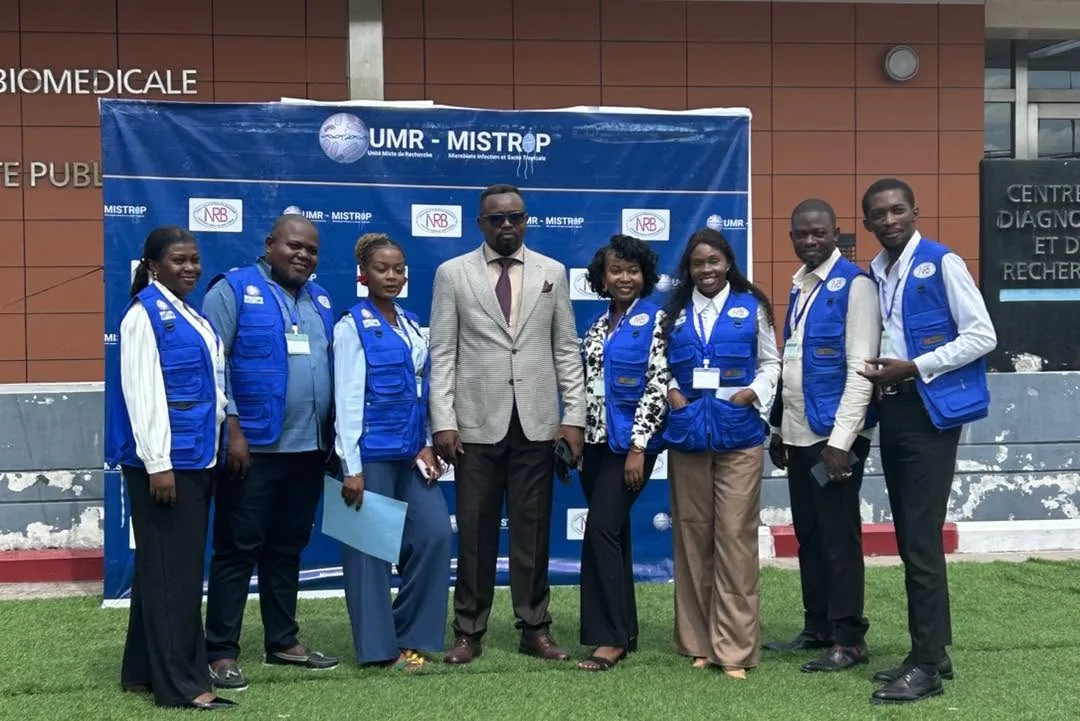
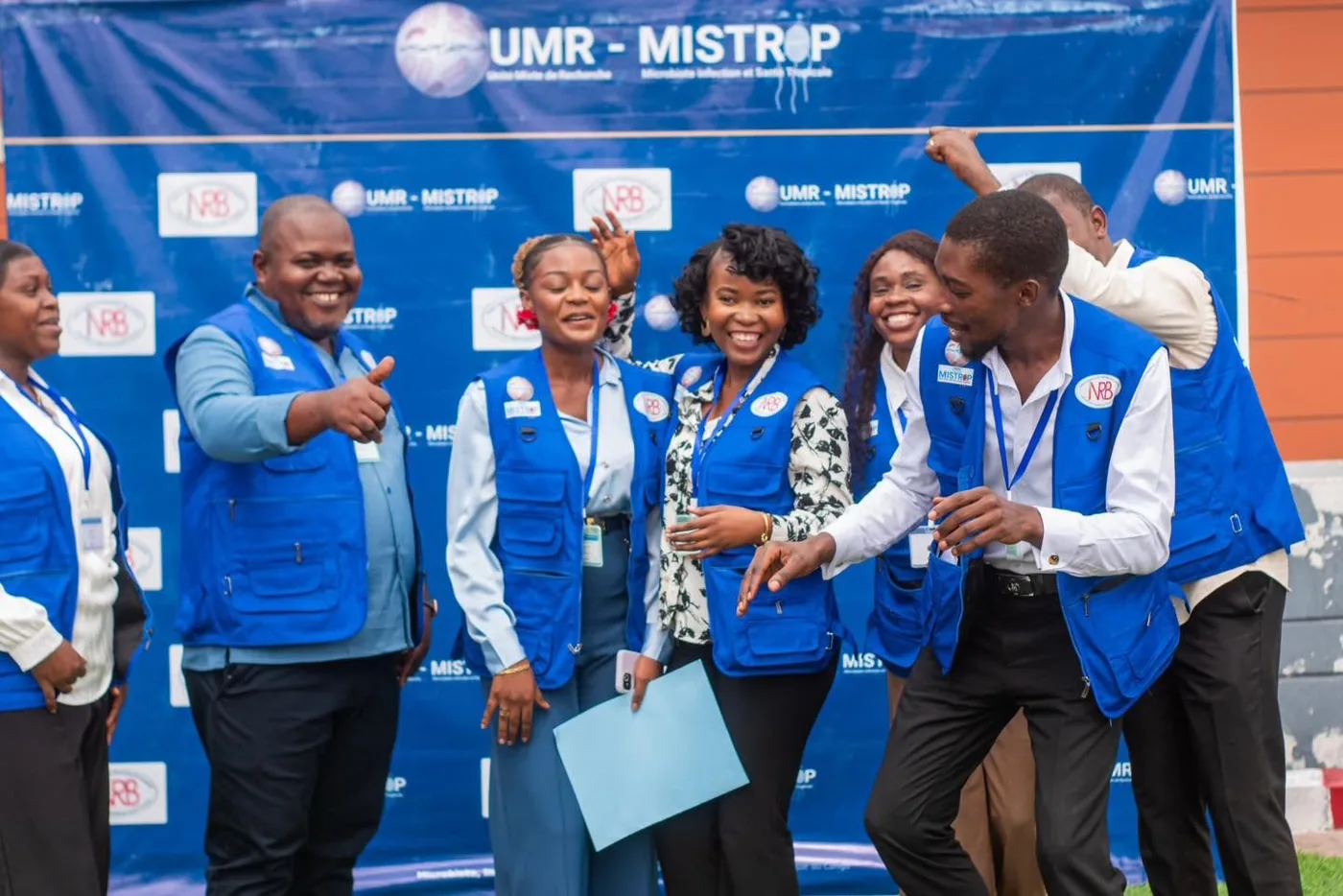
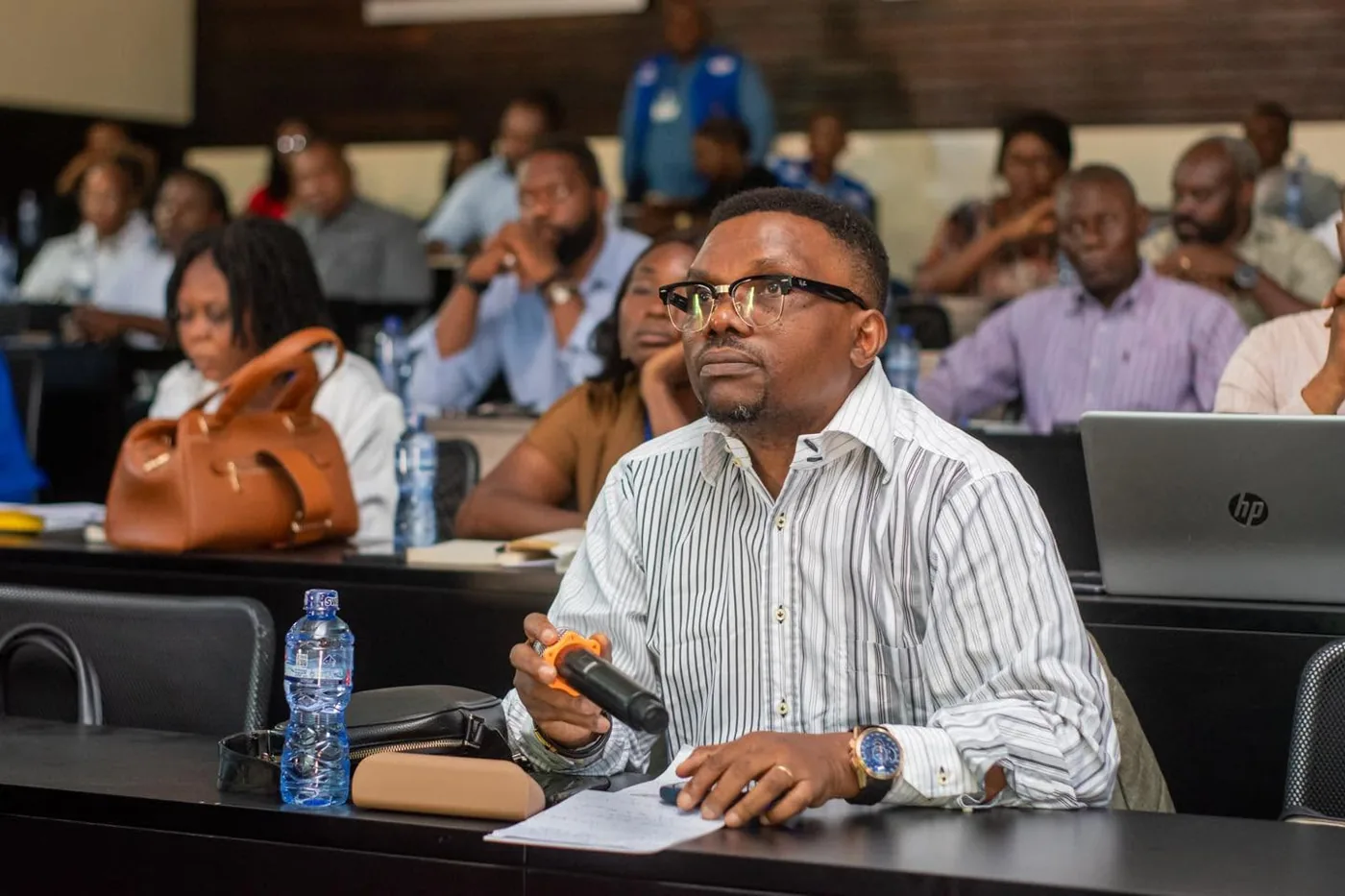
A seminar in INRB’s main lecture hall
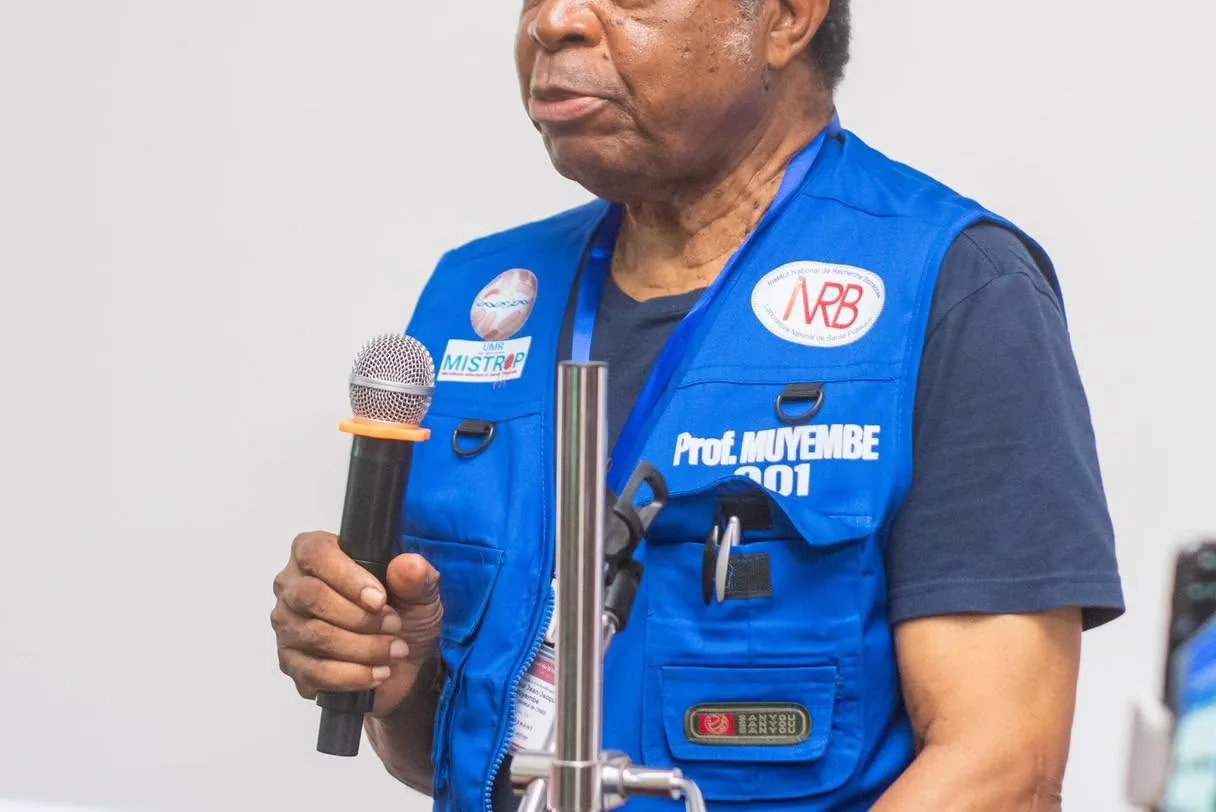
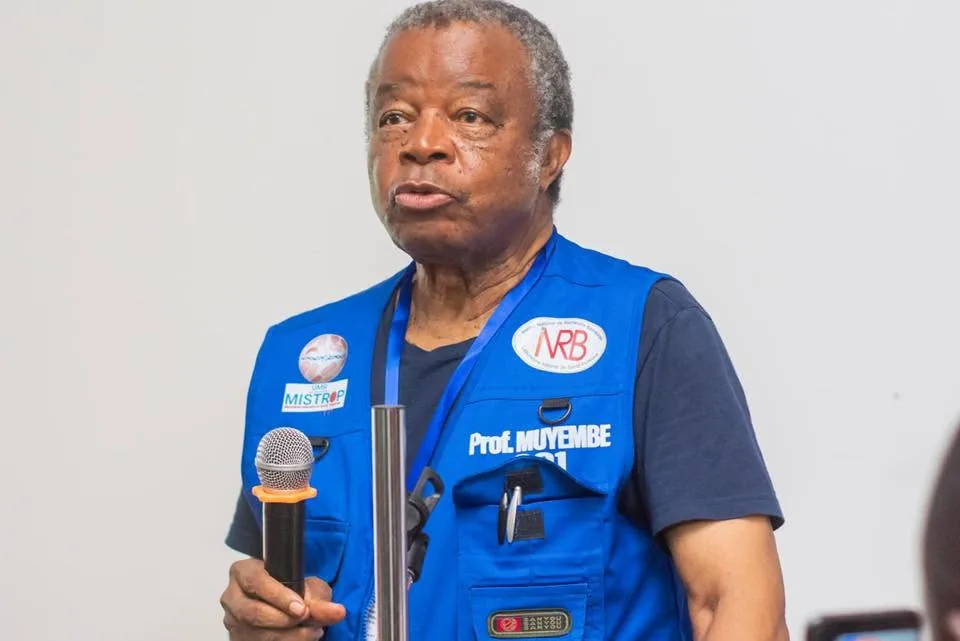
The seminar took place on Thursday 12 November 2026, from 9:30 am to 12 noon, in INRB’s main lecture hall, with a presentation by Professor Jean-Jacques Muyembe Tamfum. Researchers, clinicians, students and partners took part in the discussions, on site and online from several countries, including France and Belgium.
Bacteria detected in patients’ blood
After analysing 500 samples, Professor Octavie Lunguya, head of INRB’s microbiology department, highlights, among the lessons of this first stage, the detection of bacteria in patients’ blood. This finding encourages researchers not to limit the analysis of the disease to the virus alone, but also to explore how other infectious agents affect patients’ condition.
Meanwhile, infectious disease specialist Taillor Mpini points to four bacteria potentially linked to severe forms of the disease. This scientific lead still has to be confirmed against clinical data.
Next stage: the gut microbiota and 1,000 samples
The investigations are now expected to focus on the gut microbiota, with the number of samples rising from 500 to 1,000. The researchers also aim to develop a faster diagnostic tool that can be used in treatment centres.
EBOBIOME aims to deepen understanding of the bacterial mechanisms associated with Ebola. But scaling up will require more funding, equipment and staff: this new phase will depend on securing funding and technical partners able to support the researchers.
On video: the Top Congo FM report